AI Sales Assistant: How AI Captures and Qualifies Leads for Service Businesses

Key Takeaways
- 78% of customers buy from whoever responds first, yet the average service business takes 47 hours to follow up (Harvard Business Review, Vendasta).
- Service contractors frequently miss inbound calls while on job sites, and most of those callers never try again — they hire whichever competitor answers first.
- Responding within 1 minute increases conversion rates by 391% compared to a 30-minute delay (Vendasta).
- AI sales assistants cost $25-50/month and capture an average of 23 extra booked appointments per month, worth $14,950 in revenue (CallBirdAI).
- 74% of service industry dealerships plan to invest in AI voice agents in 2026, making early adoption a competitive advantage (Digital Dealer).
$14,950. That is how much revenue the average service business leaves on the table every month from leads that never get a response.
CallBirdAI's 2026 data shows that AI lead capture tools recover an average of 23 additional booked appointments per month that would otherwise be lost to missed calls, slow follow-up, or after-hours inquiries. At an average job value of $650, those 23 appointments add up to $14,950 in recovered revenue.
The problem is not lead generation. Service businesses already get calls and website traffic. The problem is that nobody picks up the phone at 7 PM on a Tuesday, nobody responds to the website chat at 6 AM on a Saturday, and nobody follows up on the form submission within the first five minutes. Memox's AI fixes all three gaps at once.
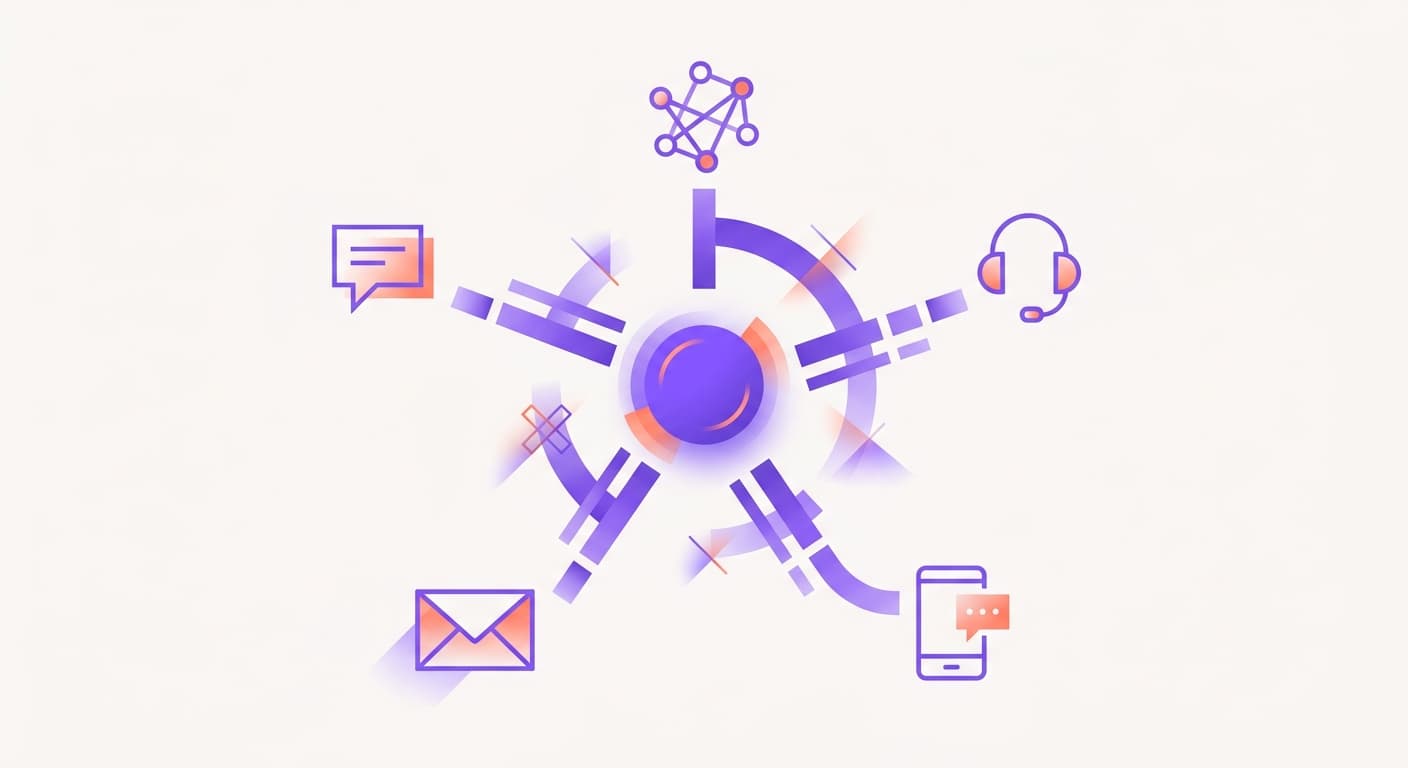
How an AI sales assistant works for service businesses: An AI sales assistant answers every inbound call and website chat within seconds, qualifies the lead by asking your specific questions (service needed, location, timeline, budget), books the appointment directly into your calendar, and updates your CRM. It works 24 hours a day, 7 days a week, costs $25-50/month, and responds faster than any human team. Service businesses using the AI report capturing 23 extra appointments per month worth $14,950 in revenue (CallBirdAI).
What Is an AI Sales Assistant?
An AI receptionist handles the front end of your sales process: answering inbound calls and chats, asking qualification questions, booking appointments, and updating your CRM. It replaces the manual work of answering phones, taking messages, and following up.
For service businesses specifically, this is different from the enterprise AI sales tools you read about in tech publications. Enterprise tools analyze pipeline data, score leads in Salesforce, and help sales teams close six-figure deals. Service businesses need something simpler and more immediate: answer the phone, figure out what the caller needs, and book the appointment.
Here is what the system does that a voicemail box does not:
- Answers instantly. No rings, no hold music, no "leave a message." The AI picks up in under 10 seconds, every time.
- Qualifies the lead. It asks the questions your best receptionist would ask: What service do you need? Where are you located? When do you need it done? What is your budget range?
- Books the appointment. It checks your calendar for available slots, offers times to the caller, and confirms the booking.
- Updates the CRM. Contact information, service details, appointment time, and call notes all flow into your system automatically.
- Works around the clock. At 2 AM, on holidays, during your busiest service day. No overtime, no sick days, no scheduling conflicts.
This is not a chatbot that answers FAQs. It is a full lead capture and qualification system that happens to use AI instead of a human receptionist.
How an AI Sales Assistant Works Step by Step
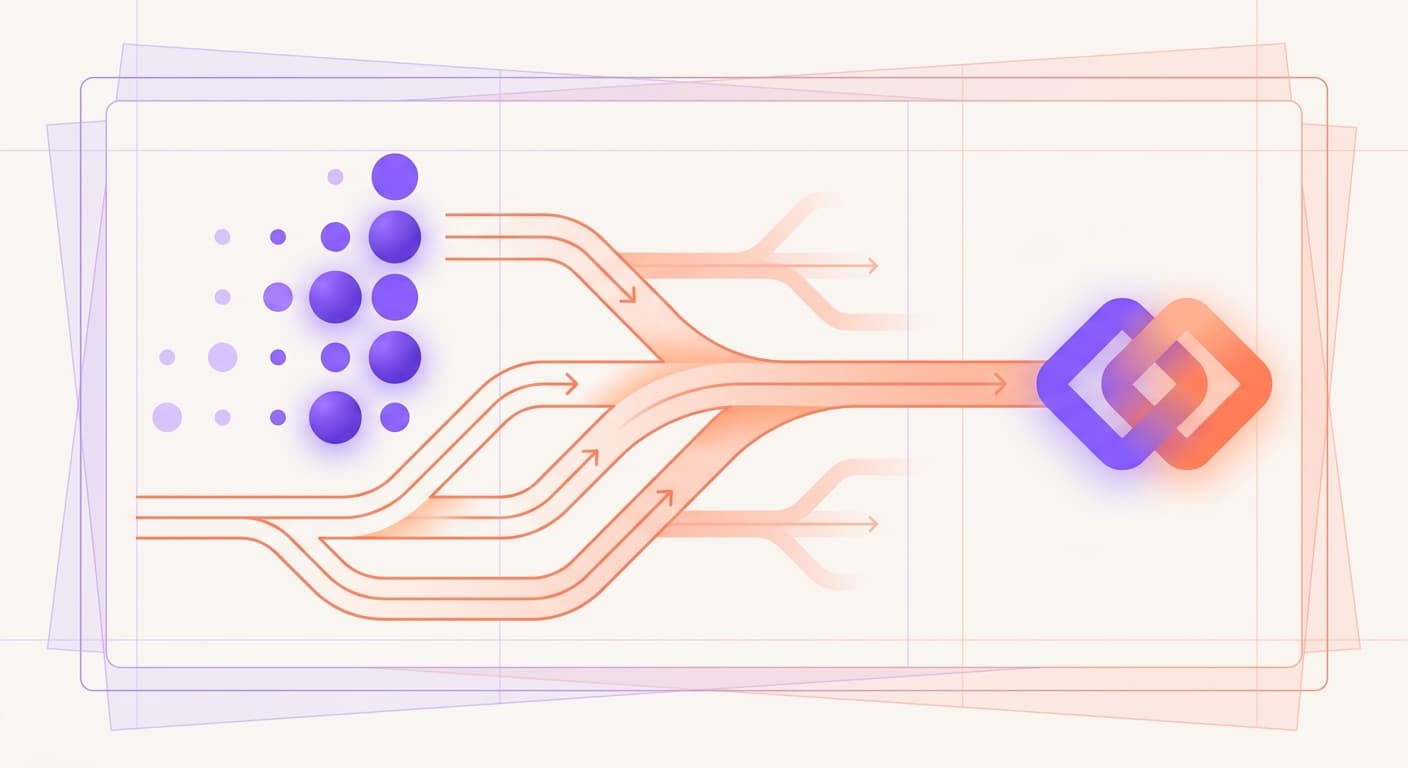
Understanding the full lifecycle helps you see where AI plugs the gaps in your current process. Here is exactly what happens from the moment a lead contacts your business to the moment they show up as a booked appointment in your calendar.
Step 1: The Lead Makes Contact
A homeowner's AC breaks at 8 PM. They search "HVAC repair near me," find your business, and either call your number or click the chat button on your website.
Without this AI in place, the call goes to voicemail. Most callers who reach voicemail never call back — they hang up and call the next company on the list. Your Google Ad spend just went to your competitor.
With an AI voice agent handling the line, the call or chat gets answered in under 10 seconds. The lead hears a professional greeting and starts talking to what sounds like a knowledgeable receptionist.
Step 2: The AI Qualifies the Lead
The AI does not just take a message. It runs through your qualification questions:
- What service do you need? "My AC stopped cooling."
- What type of system? "Central air, it is a Carrier unit, about 8 years old."
- Where are you located? "123 Oak Street, Springfield."
- How urgent is this? "It is 90 degrees in my house right now."
- Do you have a budget range? "Whatever it takes, just get it fixed."
These questions are not generic. You configure them based on what your team needs to know before dispatching a technician. The AI adapts the conversation based on answers, just like a trained receptionist would.
Step 3: The AI Books the Appointment
Once the lead is qualified, the AI checks your calendar for available slots. It offers the caller a time that works, confirms the booking, and sends a confirmation text or email.
For the caller with a broken AC at 8 PM, the AI might say: "I have a technician available tomorrow morning between 8 and 10 AM. I will book that for you and send a confirmation text right now."
The appointment appears in your calendar with all the details: customer name, phone number, address, system type, issue description, and urgency level. Your technician shows up prepared, not blind.
Step 4: The CRM Gets Updated
Every interaction gets logged automatically. The AI creates or updates the contact record, attaches the conversation transcript, notes the qualification details, and tags the lead by service type and urgency.
When your team arrives at work the next morning, they see a fully populated CRM with every lead from the previous evening already qualified and scheduled. No sticky notes. No "someone called last night but I did not get their name." No leads falling through the cracks.
Step 5: Follow-Up Happens Automatically
The AI sends appointment reminders, handles rescheduling requests, and can even follow up after the service call to ask for a review. Every touchpoint is tracked, and no lead goes cold because someone forgot to call back.
This five-step process runs 24 hours a day, 7 days a week. The speed advantage alone is worth the investment. Vendasta reports that responding within 1 minute increases conversions by 391%. The AI responds in seconds.
For a deeper look at why response speed matters more than any other sales metric, read Speed to Lead: Why the First 5 Minutes Cost Contractors $50K.
Chat vs. Voice vs. Both: Which AI Sales Assistant Channel Do You Need?
These tools work across multiple channels. The right choice depends on how your customers prefer to reach you.
AI Voice Agents
AI voice agents handle phone calls. They answer inbound calls, make outbound verification calls, and sound natural enough that most callers cannot tell they are talking to AI.
Best for: Service businesses where customers call first (HVAC, plumbing, electrical, security). Contractors miss a meaningful share of calls on job sites — an AI voice agent eliminates that entirely.
How it works: The AI picks up the phone, greets the caller by business name, asks qualification questions using natural conversation, and books the appointment. If the caller needs a human, the AI transfers them to an on-call team member with full context.
AI Chat Assistants
AI chat assistants handle website visitors. They engage visitors who are browsing but not ready to call, answer questions about services and pricing, and capture contact information.
Best for: Businesses with strong web traffic but low call-to-visit ratios. If your website gets 500 visitors per month but only 30 calls, chat captures the other 470 visitors who leave without contacting you.
How it works: A chat widget on your website greets visitors, answers common questions (service area, pricing, availability), qualifies interest, and books appointments or captures contact information for follow-up.
Both Channels Together
Running AI on both voice and chat creates a complete capture system. Phone callers get instant answers. Website visitors get proactive engagement. After-hours leads on both channels get handled without your team lifting a finger.
Stay Ahead of the Curve
The dealers winning in 2026 all have one thing in common: speed.
The economics make this straightforward. An AI assistant covering both voice and chat costs $50-150 per month total. A single missed lead is worth more than that. Harvard Business Review found that 78% of customers buy from whoever responds first. If you are not responding on both channels, your competitor is.
To see how AI answering stacks up against traditional services on cost, read AI Receptionist vs. Answering Service: The Real Cost Comparison.
Key Features to Look for in an AI Sales Assistant
Not all AI tools are built the same. Here are the features that matter for service businesses, and the ones that are just marketing fluff.
| Feature | Why It Matters | Questions to Ask |
|---|---|---|
| 24/7 Voice + Chat | Captures after-hours leads (50%+ of residential calls) | Does it handle both phone calls and website chat? |
| Custom Qualification Questions | Every trade has different intake needs | Can I set my own questions by service type? |
| Calendar Integration | Eliminates back-and-forth scheduling | Does it book directly into my calendar? |
| CRM Sync | No manual data entry, no lost leads | Which CRMs does it integrate with? |
| Call Transfer | Urgent or complex calls reach a human | Can it transfer to my on-call team with context? |
| Multilingual Support | Captures leads in their preferred language | Does it handle Spanish, French, or other languages? |
| Conversation Transcripts | Full record of every interaction | Can I review what the AI said to my customers? |
| Analytics Dashboard | Track leads, conversion rates, and ROI | Can I see how many leads it captured and booked? |
Features That Actually Move the Needle
Instant response time is the single most important feature. Everything else is secondary to picking up the phone before the caller hangs up. Vendasta's research shows that the gap between a 1-minute response and a 30-minute response is a 391% drop in conversion rate.
Smart call transfer matters because AI should not try to handle everything. When a caller has a genuine emergency or a complex situation that needs a human, the AI should recognize that and transfer with full context. The human picks up already knowing the caller's name, issue, and what has been discussed.
Custom qualification logic separates useful AI from generic chatbots. Your HVAC company needs to ask different questions than your security installation company. The AI should adapt its questions based on the service type the caller mentions.
Features That Do Not Matter
"Powered by GPT-4" or similar model branding. The underlying model matters less than how it is configured for your business.
"Sentiment analysis." Knowing a caller is frustrated does not help if the AI cannot book their appointment.
"Unlimited integrations." You need calendar, CRM, and phone. Everything else is noise.
What Is the ROI of an AI Sales Assistant for Service Businesses?
The ROI math on these tools is unusually clear because the inputs and outputs are directly measurable.
The Cost of Doing Nothing
Start with what you are losing today:
- Missed calls: Contractors miss a meaningful share of inbound calls on job sites
- Caller behavior: Most callers who reach voicemail never call back — they call the next contractor on the list
- First responder advantage: 78% of customers buy from whoever responds first (Harvard Business Review)
- Speed decay: Conversion rates drop 391% between a 1-minute and 30-minute response (Vendasta)
For a service business getting 15 calls per day and missing 40% of them, that is 6 missed leads per day. Every one of those is a homeowner hiring the next contractor on Google — and across a year, the leak compounds into a serious chunk of annual revenue.
The Cost of an AI Sales Assistant
AI-powered lead capture for service businesses costs $25-50 per month for chat-only and $50-150 per month for voice and chat combined. Compare that to alternatives:
- Full-time receptionist: $35,000-$45,000 per year (covers business hours only)
- Live answering service: $200-500 per month (FindAnsweringService.com)
- AI answering (e.g. Memox): $25-150 per month (24/7 coverage, voice + chat)
The Revenue Recovery
CallBirdAI's data shows that AI captures an average of 23 extra booked appointments per month. At an average service job value of $650, that is $14,950 per month in recovered revenue.
Even if you assume those numbers are optimistic and cut them in half, 12 extra appointments at $650 is $7,800 per month. Against a $150/month AI cost, that is a 5,100% ROI.
Industry Momentum
This is not a fringe technology. A Digital Dealer survey found that 74% of service industry dealerships plan to invest in AI voice agents in 2026. The businesses that adopt early capture the leads that late adopters are still sending to voicemail.
For HVAC contractors specifically, see our full breakdown of lead generation economics in HVAC Lead Generation: What Actually Works in 2026.
Getting Started: Your First Week with an AI Sales Assistant
You do not need a six-month implementation plan. Most service businesses can go from zero to fully operational AI lead capture in five days.
Day 1: Connect Your Phone and Calendar
Link your business phone number to the AI system. Sync your calendar so the AI knows when you have availability. This takes 15-30 minutes.
Day 2: Configure Your Qualification Questions
Set up the questions the AI should ask based on your services. For an HVAC company, that might be system type, age, issue description, location, and urgency. For a security installer, that might be property type, square footage, number of entry points, and timeline.
Day 3: Add Your Chat Widget
Install the AI chat widget on your website. This is typically a single code snippet pasted into your site header. The chat widget uses the same qualification logic and calendar access as the phone AI.
Day 4: Test with Real Calls
Call your own number. Chat with the widget. Walk through the full flow: greeting, qualification, booking, CRM update. Adjust any questions or responses that feel off. Have a team member test it without telling them what to expect.
Day 5: Go Live
Turn on the AI for all inbound calls and chats. Monitor the first day's interactions, review the transcripts, and fine-tune as needed. Most businesses report that the AI handles 80%+ of routine inquiries correctly from day one.
Week 2 and Beyond
After the first week, start optimizing: review which qualification questions lead to the highest-value bookings, adjust availability windows to capture more after-hours leads, and track conversion rates by channel and time of day.
The key is to start. Every day without an AI sales assistant means more leads going to voicemail and competitors picking up the calls you miss.
See how Memox helps service businesses answer every call, qualify every lead, and book every appointment. Explore Memox for HVAC dealers or compare Memox to Kenect to see how AI stacks up against legacy solutions.
Frequently Asked Questions
What is an AI sales assistant?
An AI sales assistant is software that handles inbound calls and website chats, qualifies leads by asking the right questions, books appointments directly into your calendar or CRM, and follows up automatically. Unlike a chatbot that only answers FAQs, an AI sales assistant manages the full lead lifecycle from first contact to booked appointment. For service businesses, this means every call gets answered, every website visitor gets engaged, and every qualified lead gets scheduled without hiring additional staff.
How much does an AI sales assistant cost for a small business?
AI sales assistants for service businesses typically cost $25-50 per month for chat-based tools and $50-150 per month for combined voice and chat. Traditional live answering services charge $200-500 per month for comparable coverage, according to FindAnsweringService.com. The ROI math favors AI: CallBirdAI reports that AI captures an average of 23 extra booked appointments per month, worth $14,950 in revenue. Even at the high end of $150 per month, that is a 9,900% return.
Can an AI sales assistant actually book appointments?
Yes. Modern AI sales assistants integrate directly with calendar systems and CRMs to book appointments in real time. The AI checks available time slots, confirms the appointment with the caller or chat visitor, sends confirmation messages, and logs everything in your CRM. Memox, for example, handles the full flow from answering the call to updating the CRM record without any manual steps in between.
Is an AI sales assistant better than a live answering service?
For most service businesses, yes. AI answering costs 70-90% less ($25-50/month vs $200-500/month per FindAnsweringService.com), responds instantly instead of placing callers on hold, works 24/7 without shift scheduling, and improves over time as it learns your business. Live answering services still make sense for complex or high-emotion situations like insurance claims or medical intake. For standard lead qualification and appointment booking, AI outperforms human operators on speed, consistency, and cost.
How long does it take to set up an AI sales assistant?
Most AI sales assistants for service businesses can be configured and live within one day. Setup involves connecting your phone number, syncing your calendar, adding your business information (services, service area, hours, pricing ranges), and setting qualification questions. Memox includes a guided setup that handles voice and chat configuration in a single workflow. No coding is required, and you can test with a live call before going live with customers.
Ready to stop losing leads to voicemail and slow follow-up? Book a 30-minute demo with Memox and see AI lead capture in action.
Sources:
- Harvard Business Review - The Short Life of Online Sales Leads
- Vendasta - Why Lead Response Time Matters
- CallBirdAI - AI Appointment Capture Data 2026
- FindAnsweringService.com - Answering Service Cost Comparison
- Digital Dealer - AI Voice Agent Adoption Survey 2026
- Vendasta - Lead Response Time (47-hour average)
Stay Ahead of the Curve
The dealers winning in 2026 all have one thing in common: speed.
Frequently Asked Questions
An AI sales assistant is software that handles inbound calls and website chats, qualifies leads by asking the right questions, books appointments directly into your calendar or CRM, and follows up automatically. Unlike a chatbot that only answers FAQs, an AI sales assistant manages the full lead lifecycle from first contact to booked appointment. For service businesses, this means every call gets answered, every website visitor gets engaged, and every qualified lead gets scheduled without hiring additional staff.
AI sales assistants for service businesses typically cost $25-50 per month for chat-based tools and $50-150 per month for combined voice and chat. Traditional live answering services charge $200-500 per month for comparable coverage, according to FindAnsweringService.com. The ROI math favors AI: CallBirdAI reports that AI captures an average of 23 extra booked appointments per month, worth $14,950 in revenue. Even at the high end of $150 per month, that is a 9,900% return.
Yes. Modern AI sales assistants integrate directly with calendar systems and CRMs to book appointments in real time. The AI checks available time slots, confirms the appointment with the caller or chat visitor, sends confirmation messages, and logs everything in your CRM. Memox, for example, handles the full flow from answering the call to updating the CRM record without any manual steps in between.
For most service businesses, yes. AI answering costs 70-90% less ($25-50/month vs $200-500/month per FindAnsweringService.com), responds instantly instead of placing callers on hold, works 24/7 without shift scheduling, and improves over time as it learns your business. Live answering services still make sense for complex or high-emotion situations like insurance claims or medical intake. For standard lead qualification and appointment booking, AI outperforms human operators on speed, consistency, and cost.
Most AI sales assistants for service businesses can be configured and live within one day. Setup involves connecting your phone number, syncing your calendar, adding your business information (services, service area, hours, pricing ranges), and setting qualification questions. Memox includes a guided setup that handles voice and chat configuration in a single workflow. No coding is required, and you can test with a live call before going live with customers.