Designing Motion as a Product System
Key Takeaways
- Shared motion tokens make interaction patterns consistent and maintainable.
- Reduced-motion support belongs in the architecture, not in cleanup work.
- Performance budgets keep animation from competing with product responsiveness.
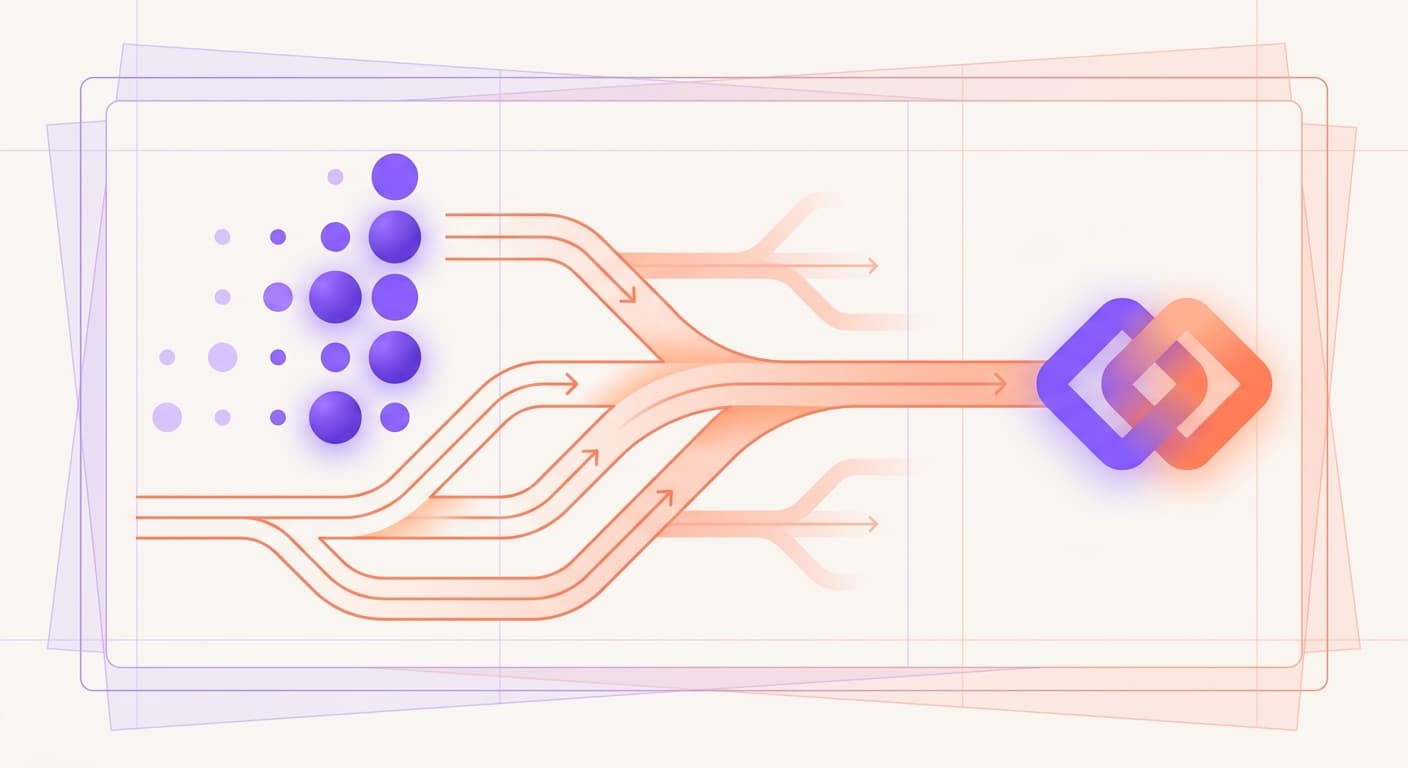
Good product motion is not a folder full of animations. It is a system with shared rules.
Without that system, every screen invents its own duration, easing, and behavior. The app feels inconsistent, accessibility becomes an afterthought, and performance problems arrive late.
Start with tokens
Motion tokens give teams a small vocabulary for timing, distance, easing, and spring behavior. A quick state change should feel the same across navigation, cards, and feedback. A larger transition can use a different token without becoming arbitrary.
Tokens also make change possible. When a duration feels slow, the team fixes one rule rather than hunting through dozens of components.
Accessibility is a design input
Reduced-motion preferences should be respected by default. That does not always mean removing every transition. It means eliminating unnecessary movement and replacing spatial animation with simpler fades or instant state changes where appropriate.
The key is to define the reduced-motion behavior alongside the default behavior, not after the feature ships.
Give motion a performance budget
Stay Ahead of the Curve
The dealers winning in 2026 all have one thing in common: speed.
Animation competes with navigation, data loading, and input responsiveness. A beautiful transition that drops frames on a mid-range device is a product regression.
Useful guardrails include:
- prefer transform and opacity changes
- avoid layout-heavy animation
- measure on real devices
- limit simultaneous animated elements
- keep boot and navigation paths especially lean
Roll it out in layers
A phased rollout reduces inconsistency without forcing a risky rewrite:
- establish tokens and accessibility behavior
- standardize navigation and boot transitions
- add content and feedback motion
- introduce haptics where they reinforce an action
- measure performance and remove motion that does not help
Motion earns its place when it explains change, preserves continuity, or confirms intent. Everything else is decoration.
Sources
- Internal Memox mobile motion-system rollout plan.
Stay Ahead of the Curve
The dealers winning in 2026 all have one thing in common: speed.
Frequently Asked Questions
Reusable values for duration, easing, distance, and spring behavior that keep animations consistent across a product.
No. Motion should explain hierarchy, state, or continuity. Decorative movement should be used sparingly.